Pleasure Ridge Park runs on residential demand and Riverport proximity in roughly equal measure, and an investor who only accounts for one of those two forces is going to misread this southwest Jefferson County market. Dixie Highway carries the household-serving retail, while the Riverport Industrial Park nearby pulls in a different tenant type entirely. Getting the balance wrong -- underwriting a retail building as if it depends on Riverport traffic, or the reverse -- is the fastest way to overpay for the wrong kind of tenant demand.
The Property Types Actually For Sale
Replacement candidates here cluster into a specific set of categories, each tied to one of the two demand drivers.
- self-storage
- retail
- small industrial
- multifamily
- service retail
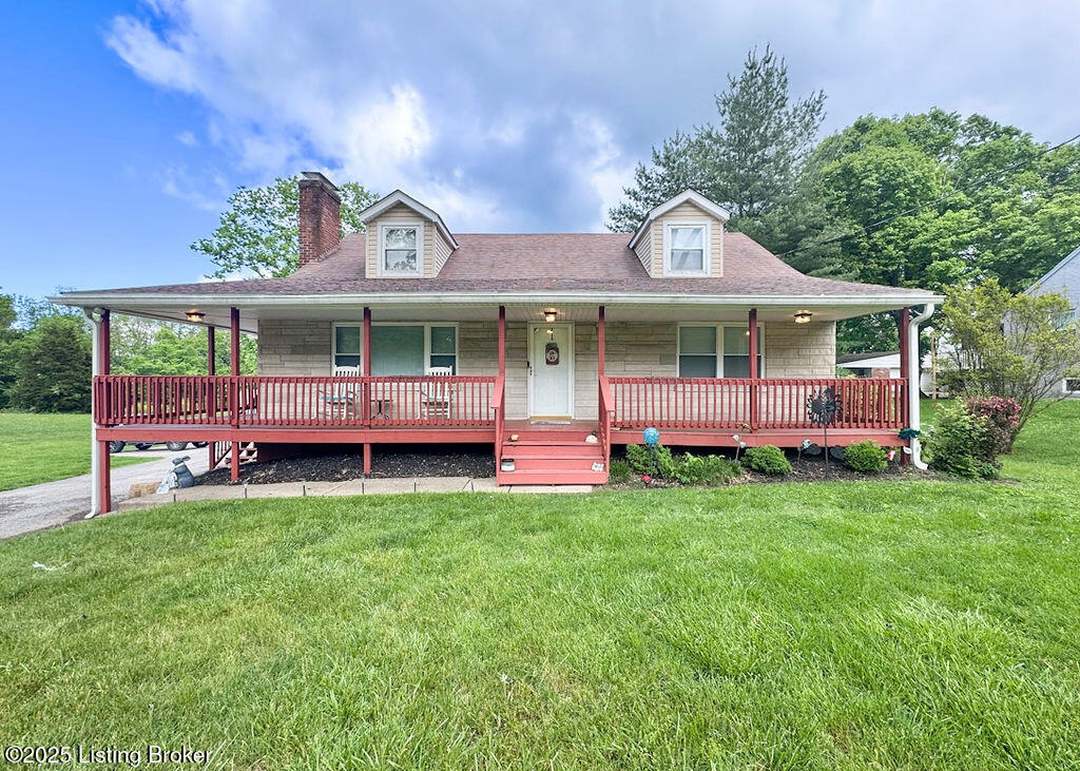
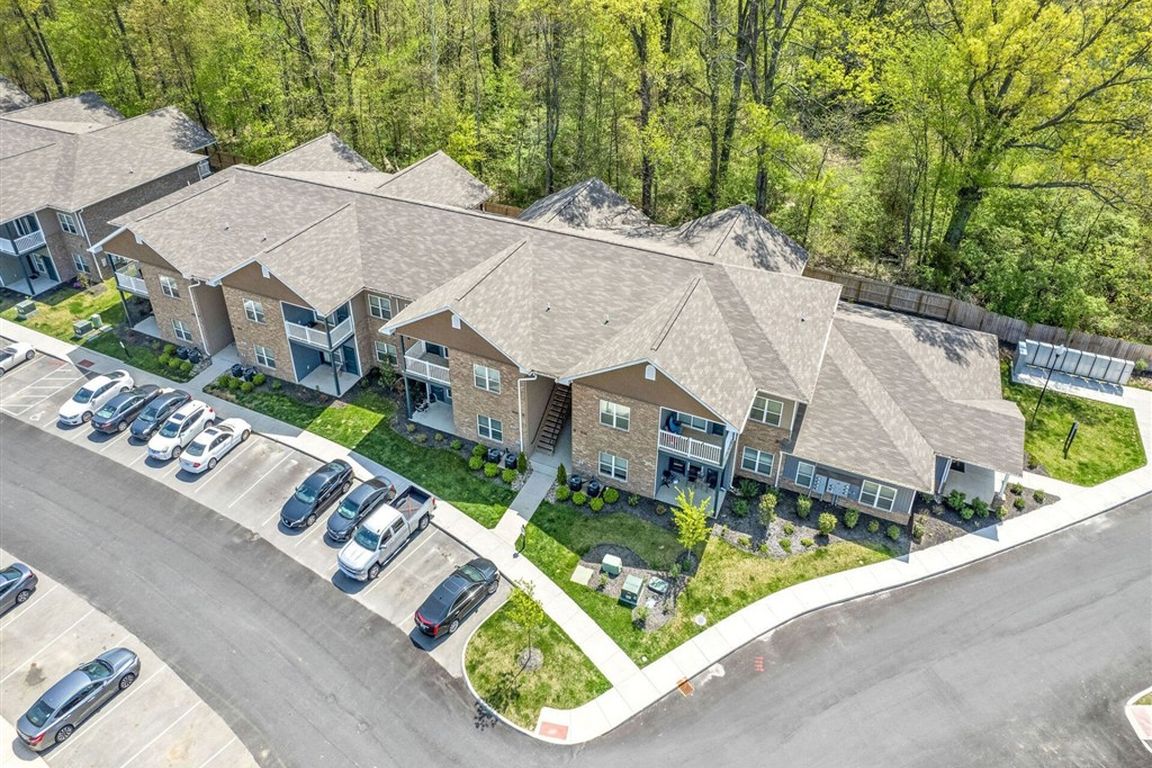
Self-storage and small industrial buildings tend to track Riverport-adjacent demand, while retail and service retail track the residential population directly -- an investor should be clear about which driver a specific building actually depends on before assuming both apply. Multifamily properties in particular can straddle both categories, drawing tenants who work at Riverport-area employers alongside longtime area residents, which is worth confirming through actual tenant sourcing data rather than assumption.
Dixie Highway, Riverport, and Site Condition
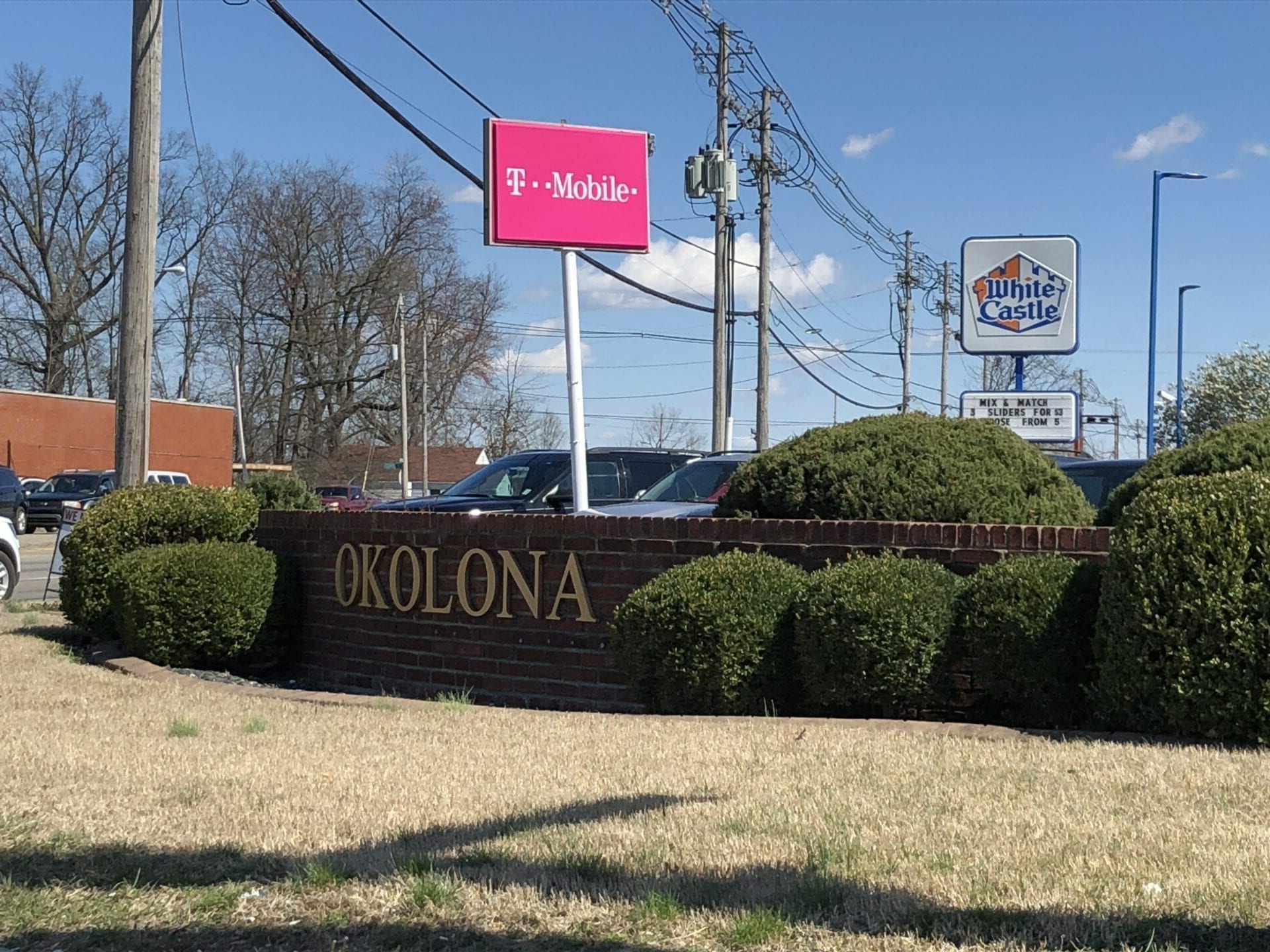
Dixie Highway, Greenbelt Highway, Lower Hunters Trace, and the Riverport area cover the corridors that matter most in this submarket. Riverport proximity genuinely lifts industrial demand, but household-serving retail along Dixie Highway needs its own tenant-quality review independent of that industrial activity -- the two markets sit close together geographically without being the same investment. Site condition also plays a bigger role in financing here than in newer submarkets, since a number of buildings along these corridors are older and lenders will want that addressed before underwriting a loan.
Investors should also confirm whether a given parcel actually has practical truck access toward Riverport, since some sites close to the industrial park are still cut off from it by residential streets that were never built to carry that kind of traffic.
Why A Single Identification Is Risky In A Thin Inventory Market
Pleasure Ridge Park does not produce a deep pipeline of listed commercial property at any given time, which means an investor relying on one identified property here is exposed if that seller backs out or financing falls through. The 45-day identification window does not extend for a thin market, so building a real backup list before that window closes -- not scrambling for one after a deal wobbles -- is the only way to protect the exchange in a submarket this size.
Comparable Southwest County Markets
Shively, Valley Station, Louisville proper, and Shepherdsville are the standard comparison set for a Pleasure Ridge Park exchange. Shively and Valley Station share some of the same Dixie Highway character, while Shepherdsville brings a heavier industrial and logistics orientation. None of these should be assumed equivalent without an independent review of financing terms and closing timeline -- backup candidates still need their own underwriting even when the geography feels familiar.
Valley Station in particular can look like the closest substitute on paper given its shared corridor and similar property types, but block-level differences in site access mean a specific Valley Station parcel still needs its own independent review before it replaces a Pleasure Ridge Park candidate on the identification list.
What Needs Documenting Before The Exchange Closes
A complete file for a Pleasure Ridge Park replacement should record which demand driver -- residential retail or Riverport-adjacent industrial -- actually supports the specific building, the site condition issues that affected financing, and the backup properties reviewed in case the primary deal stalled. That record gives your lender and qualified intermediary a real basis for underwriting rather than a general description of the neighborhood, and it protects the investor if a closing blocker surfaces late in the 180-day exchange period.
Because this submarket does not produce a steady stream of new listings, an investor who documents this reasoning well is also building a reference file that makes the next exchange in this area faster, rather than starting the underwriting process from zero each time a Dixie Highway property comes up for sale.
Common 1031 Exchange Questions
Does Riverport proximity affect all property types in Pleasure Ridge Park equally?
No. It mainly lifts demand for industrial and self-storage buildings. Household-serving retail along Dixie Highway depends more on the local residential population and needs its own separate tenant-quality review.
Why is a single identified property riskier in Pleasure Ridge Park than in a larger submarket?
The commercial pipeline here is thinner than in larger Jefferson County submarkets, so a single seller backing out or a financing delay can leave an investor without a workable exchange. A documented backup list before the 45-day window closes is especially important here.
Should you expect financing to be straightforward on older buildings in this area?
Not automatically. A number of buildings along Dixie Highway and nearby corridors are older, and lenders will typically want site condition issues addressed as part of underwriting rather than deferred until after closing.
Is Shepherdsville a reasonable backup for a Pleasure Ridge Park industrial replacement?
It shares an industrial orientation but leans more heavily into logistics and warehouse tenants. Treat it as its own market requiring separate underwriting rather than a direct substitute.
What should your qualified intermediary know about a Pleasure Ridge Park identification?
Share which demand driver supports the property, the site condition findings, and any backup candidates reviewed. That documentation helps the QI and your lender confirm the identification is sound well before the 180-day exchange period ends.