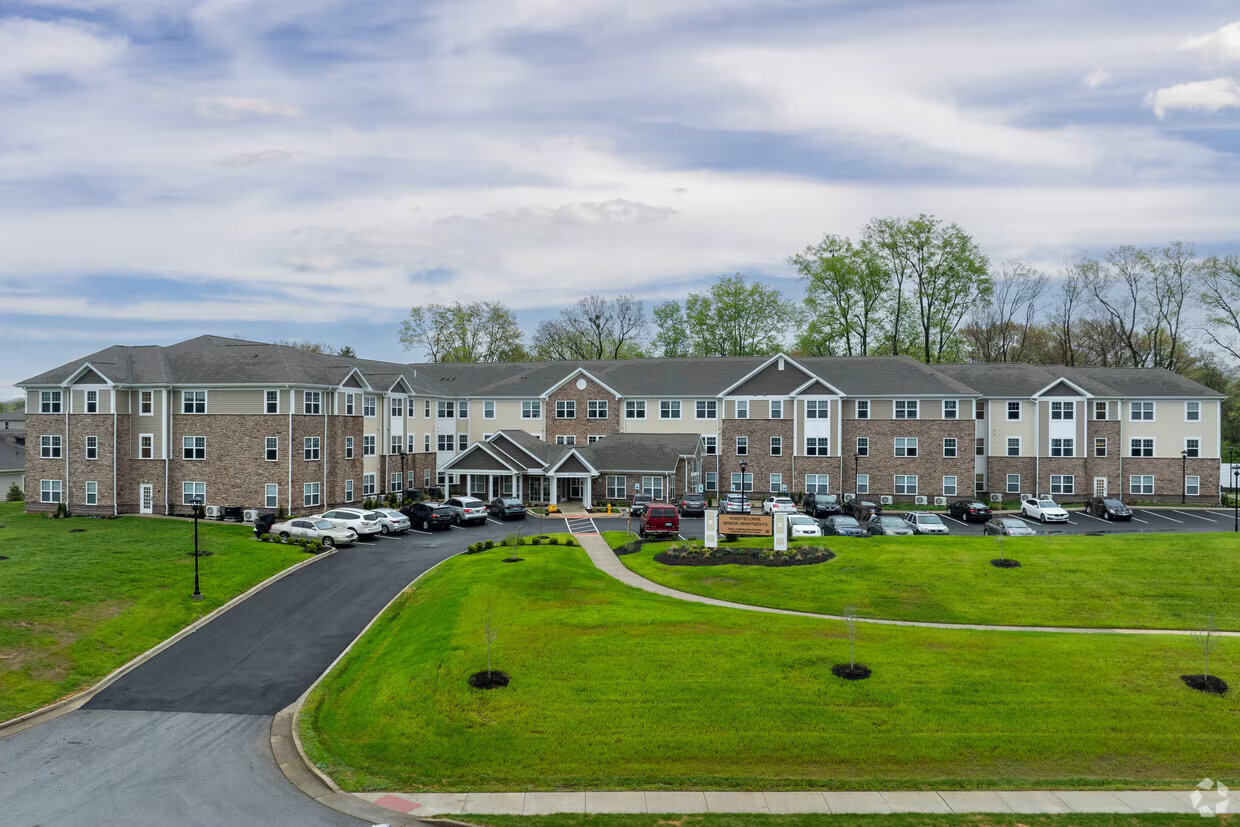
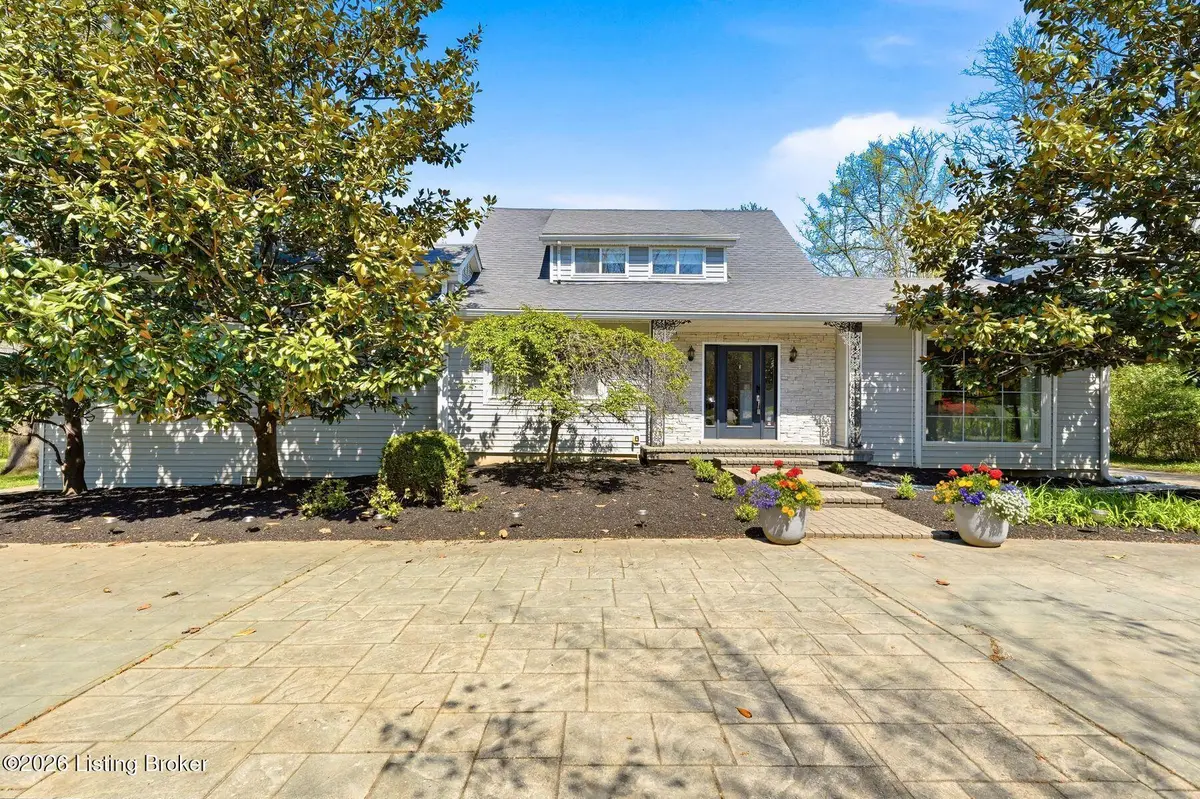
Middletown reads as a finished growth corridor, and that appearance is exactly what trips up investors moving fast on a 1031 timeline. The retail pads and office buildings along Shelbyville Road and I-265 look newer than the rest of Jefferson County, but newer construction still carries leases, expense recoveries, and tenant obligations that need the same scrutiny as anything older. Treating a Middletown address as a substitute for due diligence is how buyers end up closing on a property they never really underwrote.
The Property Types Actually Changing Hands
Replacement candidates in this corridor tend to fall into a narrow set of categories, and each one behaves differently under a lease-by-lease review.
- retail pads
- medical and general office space
- multifamily
- single-tenant retail
- flex buildings
A retail pad with a national tenant and a flex building with a rolling roster of small businesses can carry the same asking price and completely different risk. An exchange buyer who only compares price per square foot across this list is comparing the wrong thing.
Blankenbaker, Old Henry, and What The Corridor Rewards
Shelbyville Road, I-265, Blankenbaker Parkway, and Old Henry Road form the backbone of Middletown's commercial activity, and growth along these routes has pushed replacement pricing up faster than rent rolls in some cases. That gap matters for an exchange buyer trying to satisfy value with a full-price replacement: a property priced for the corridor's reputation, not its actual income, can leave an investor overpaying to defer a smaller gain than the purchase justified. Road access and visibility drive tenant retention here more than almost anywhere else in the metro, so a site with awkward ingress can sit half-leased even in a strong corridor.
What A Rushed 45-Day Window Costs In This Market
The 45-day identification window does not stretch to accommodate a slow seller or a financing delay, and Middletown's tight inventory of newer product means a buyer who identifies only one property here is betting the entire exchange on that single deal closing on schedule. If that property falls through after day 45, there is no do-over. The three-property rule, the 200% rule, and the 95% rule exist precisely so an investor is not left with one candidate and no fallback; using them properly in a corridor this competitive is not optional paperwork, it is the difference between deferring the gain and paying tax on the whole thing.
Building A Backup List That Actually Holds Up
Jeffersontown, Hurstbourne, Anchorage, and Shelbyville, Kentucky are the markets an investor should have reviewed before a Middletown deal starts to wobble, not after. Each of those markets has its own lease structure, its own debt assumptions, and its own closing calendar, so a backup candidate pulled in at the last minute without independent underwriting is barely a backup at all. A qualified intermediary can hold the exchange funds, but nobody at the QI is going to tell an investor whether a Jeffersontown medical building is a real substitute for a Middletown retail pad -- that comparison has to happen before the clock runs out, not during a panic in week six.
What The Closing File Needs Before Day 180
A complete file for a Middletown replacement should document the corridor facts that drove the decision, the lease and expense verification on the specific building, and the open questions still sitting with the seller. That record is what lets a CPA, qualified intermediary, broker, lender, and title company work from the same set of facts instead of reconstructing the deal from memory two weeks before the 180-day exchange period closes. Investors who skip this step usually find out what was missing only when the lender asks for it during underwriting, at which point there is far less time to fix it.
This matters even more in a corridor where pricing runs ahead of income, because a lender who discovers unverified expense recoveries late in the process may require a revised loan amount or additional reserves, either of which can push a closing date past what the exchange calendar allows. Building the file early, while there is still time to renegotiate terms or bring in a backup identification, keeps that risk from becoming a deadline problem.
Common 1031 Exchange Questions
Is Middletown's growth corridor a safe default for a 1031 replacement?
Growth alone does not make a property a sound replacement. A retail pad or office building here still needs lease verification, expense review, and a real comparison against alternatives -- the corridor's reputation is not a substitute for underwriting.
How many properties should an investor identify before targeting Middletown?
Given how quickly newer product in this corridor moves, most investors are better served identifying under the three-property rule or the 200% rule rather than naming a single Middletown building and hoping it closes on time.
What happens if your Middletown property falls through after the 45-day window closes?
If it was the only property identified, the exchange fails and the deferred gain becomes taxable. This is exactly why a documented backup list, reviewed before the window closes, matters more than finding the single best-looking building.
Should you ask your tax advisor before comparing Middletown to nearby submarkets?
Yes. A qualified intermediary can coordinate timing and hold exchange funds, but confirming how a specific replacement affects your basis, debt replacement, and boot exposure is a conversation for your CPA or tax advisor, not the QI.
Does newer construction in Middletown reduce due diligence needs?
No. Newer buildings still have leases, expense recoveries, and tenant covenants that need the same scrutiny as older properties. Age reduces some maintenance risk but tells an investor nothing about the income the property actually produces.