St. Matthews is one of the densest inner-ring commercial corridors in the Louisville metro, and that density cuts both ways for a 1031 buyer. Daily traffic along Shelbyville Road and near the Mall St. Matthews area supports strong retail and medical office demand, but that same density means lease rollover, parking constraints, and competition among landlords all move faster here than in a lower-traffic suburban submarket. A property that looks stable today can face real turnover pressure within a single lease cycle.
The Property Types Competing For Tenants Here
St. Matthews' inventory spans a wider range than most of the surrounding submarkets.
- retail strips
- medical office
- small office
- mixed-use
- multifamily
Retail strips and medical office buildings tend to see the most lease rollover activity given how many tenants compete for the same visible corridor space, which makes rent-roll verification more important here than in a market with longer, more stable lease terms. Multifamily properties tucked behind the main retail corridors can offer more rent stability precisely because they are not competing for the same visible frontage that drives retail turnover.
Shelbyville Road, Brownsboro Road, and the Parking Constraint
Shelbyville Road, Brownsboro Road, Westport Road, and the Mall St. Matthews area carry the bulk of commercial activity in this corridor. Parking and access matter as much as frontage in a market this dense -- a retail strip with excellent visibility but a tight parking lot can lose tenants to a less visible building down the street with easier access. Nearby affluent neighborhoods support demand for small office and service tenants, but that demand does not eliminate the need to check a specific building's parking ratio and access before assuming its lease renewal odds.
Buildings near the Mall St. Matthews area in particular can see parking demand spike during peak shopping periods, which is worth observing directly rather than relying on a static parking count listed in a broker's package.
Why Tenant Estoppels Deserve Extra Weight In This Corridor
Given how much lease rollover happens in a corridor this active, a tenant estoppel certificate is worth more here than in a slower-turnover submarket -- it confirms the actual lease terms in writing, independent of what a rent roll claims. An investor moving through the 45-day identification window under time pressure can be tempted to skip or rush estoppel review, but that shortcut is exactly how a St. Matthews retail strip turns out to have less remaining lease term, or different renewal options, than the offering memorandum suggested.
Comparable Inner-Ring Markets
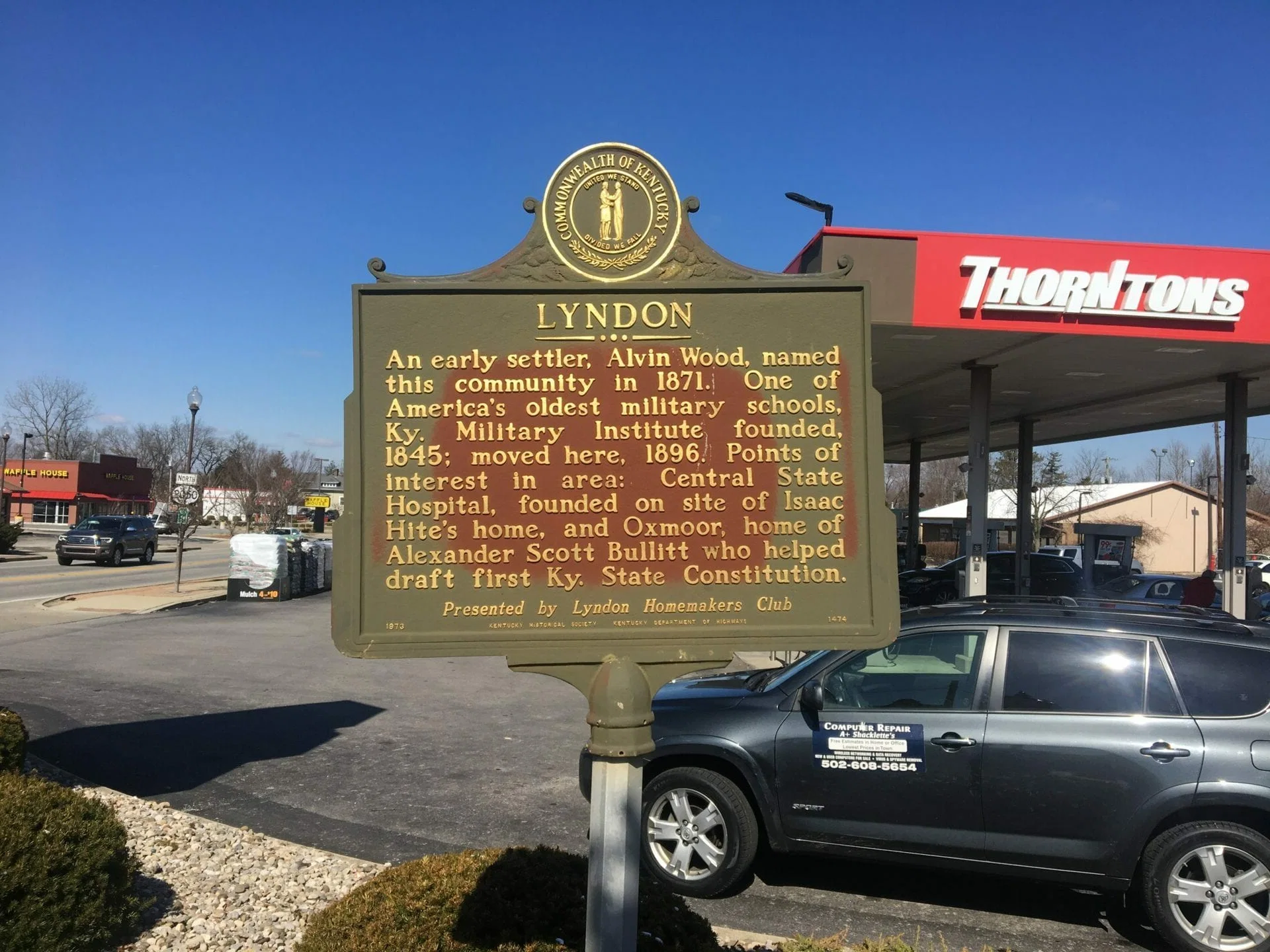
Lyndon, Hurstbourne, Anchorage, and Louisville proper are the standard comparison set for a St. Matthews exchange. Lyndon and Hurstbourne share some of the same inner-ring density and lease-rollover dynamics, while Anchorage trends toward a lower-density, more residential character. An investor should not treat St. Matthews as interchangeable with any of these without confirming parking, access, and estoppel status independently on the backup candidate.
Hurstbourne in particular can look like the closest substitute given its own dense retail and office presence, but its parking and access patterns differ enough from St. Matthews that a direct comparison without an independent site visit risks missing exactly the kind of constraint that matters most in this corridor.
What The Closing File Should Confirm
A St. Matthews closing file should include the estoppel certificates collected on the property's current tenants, the parking and access review for the specific building, and the lease rollover schedule that will affect income over the next several years. Getting this in front of your CPA, qualified intermediary, and lender before the 180-day exchange period closes gives the team a real basis for confirming the replacement value, rather than relying on a broker's summary of the rent roll.
Because this corridor moves quickly and competing buyers are common, an investor who has this documentation ready before making an offer is also in a stronger position to close on schedule if a seller has multiple interested parties -- a real advantage in a market where lease rollover already adds enough uncertainty on its own.
Common 1031 Exchange Questions
Why does lease rollover matter more in St. Matthews than in a quieter submarket?
The corridor's density means retail and medical office tenants compete actively for visible space, which drives more frequent turnover. Verifying actual remaining lease term through estoppel certificates matters more here than in a market with longer, stable leases.
Does strong Shelbyville Road visibility guarantee a stable tenant in St. Matthews?
No. Parking and access can matter as much as visibility. A visible retail strip with a tight parking lot can lose tenants to a less visible building with easier access nearby.
Should you collect tenant estoppel certificates before finalizing a St. Matthews identification?
Yes, especially given the corridor's active lease rollover. An estoppel confirms actual lease terms in writing and can reveal a shorter remaining term or different renewal options than the offering memorandum described.
Is Anchorage a reasonable backup if your St. Matthews property falls through?
It can be considered, but Anchorage trends toward lower density and a more residential character. Treat it as a distinct market rather than a direct substitute for St. Matthews' inner-ring retail and medical office demand.
What should your qualified intermediary see before a St. Matthews closing?
Share the estoppel certificates, the parking and access findings, and the lease rollover schedule. This gives the QI and your lender a documented basis for the replacement value rather than a broker's rent-roll summary alone.