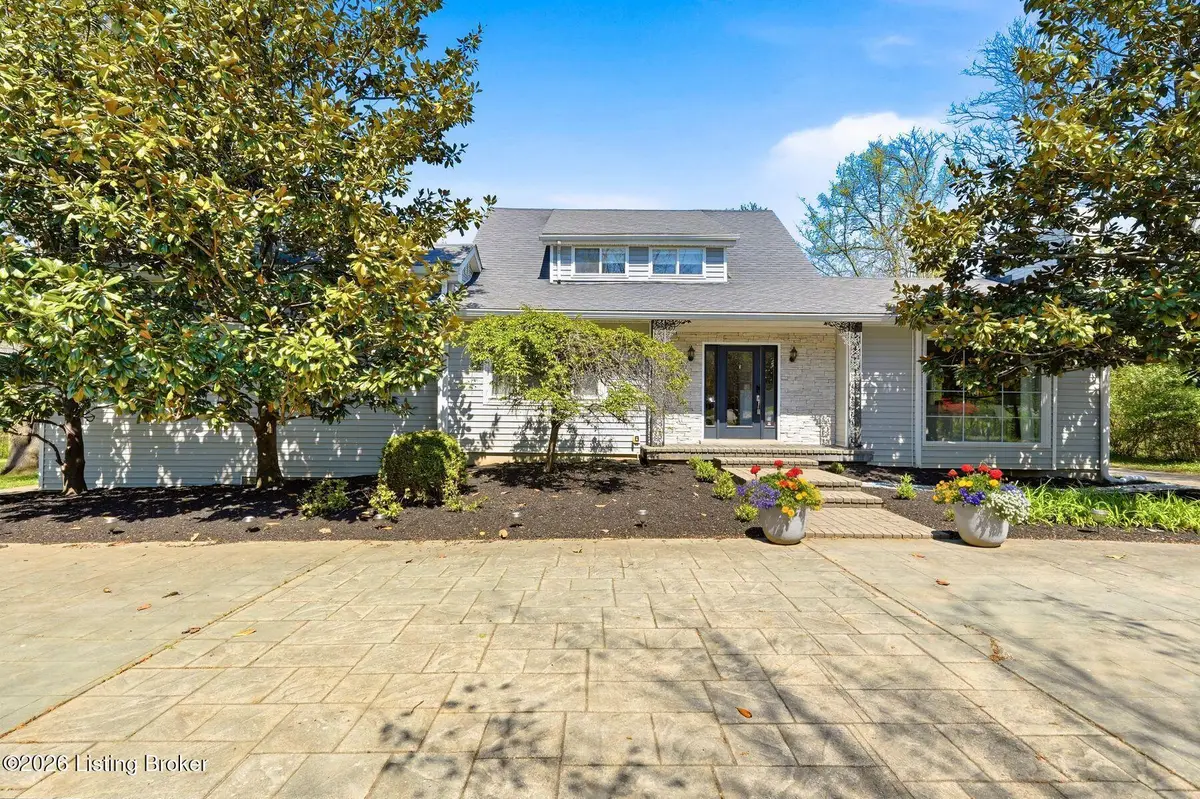
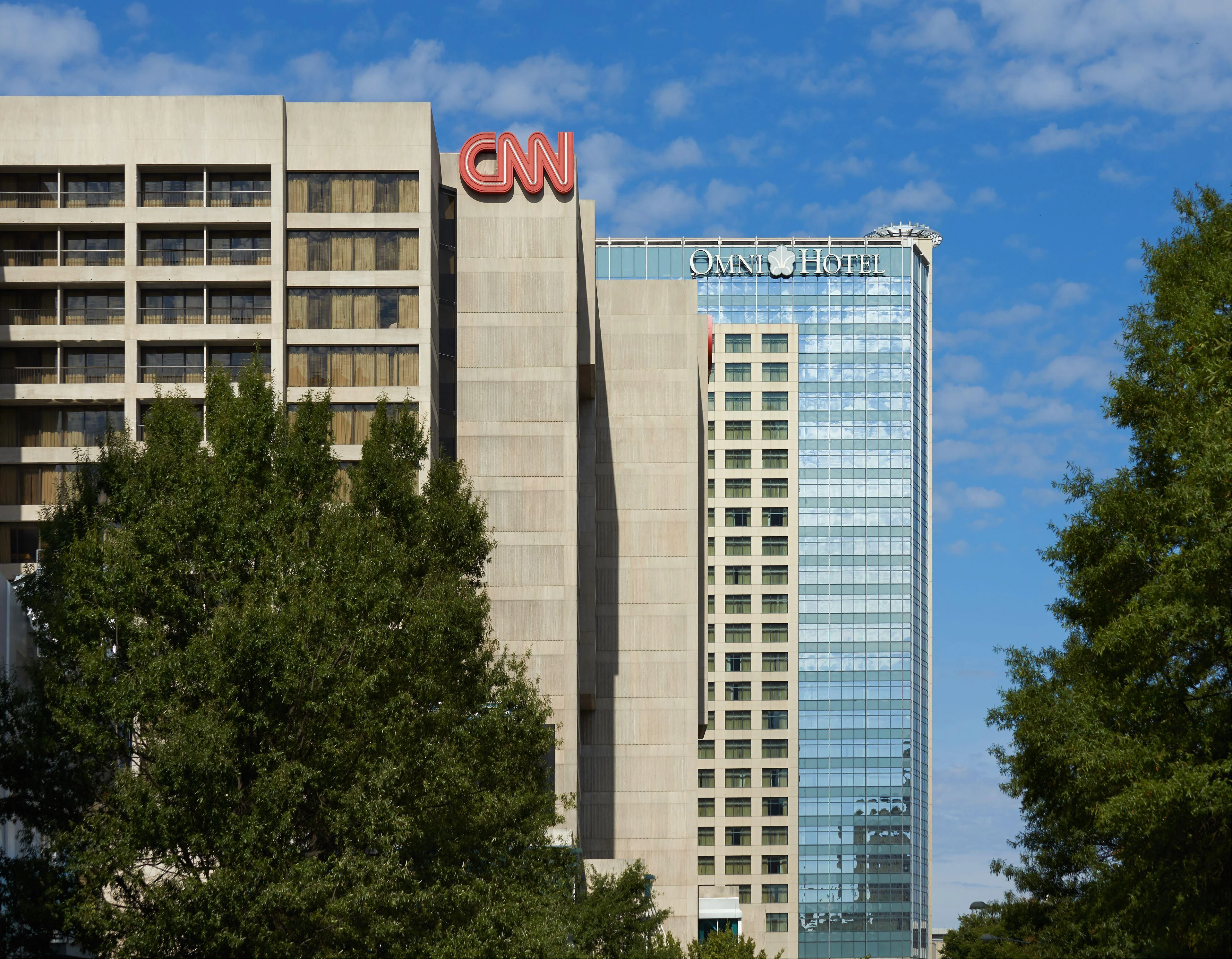
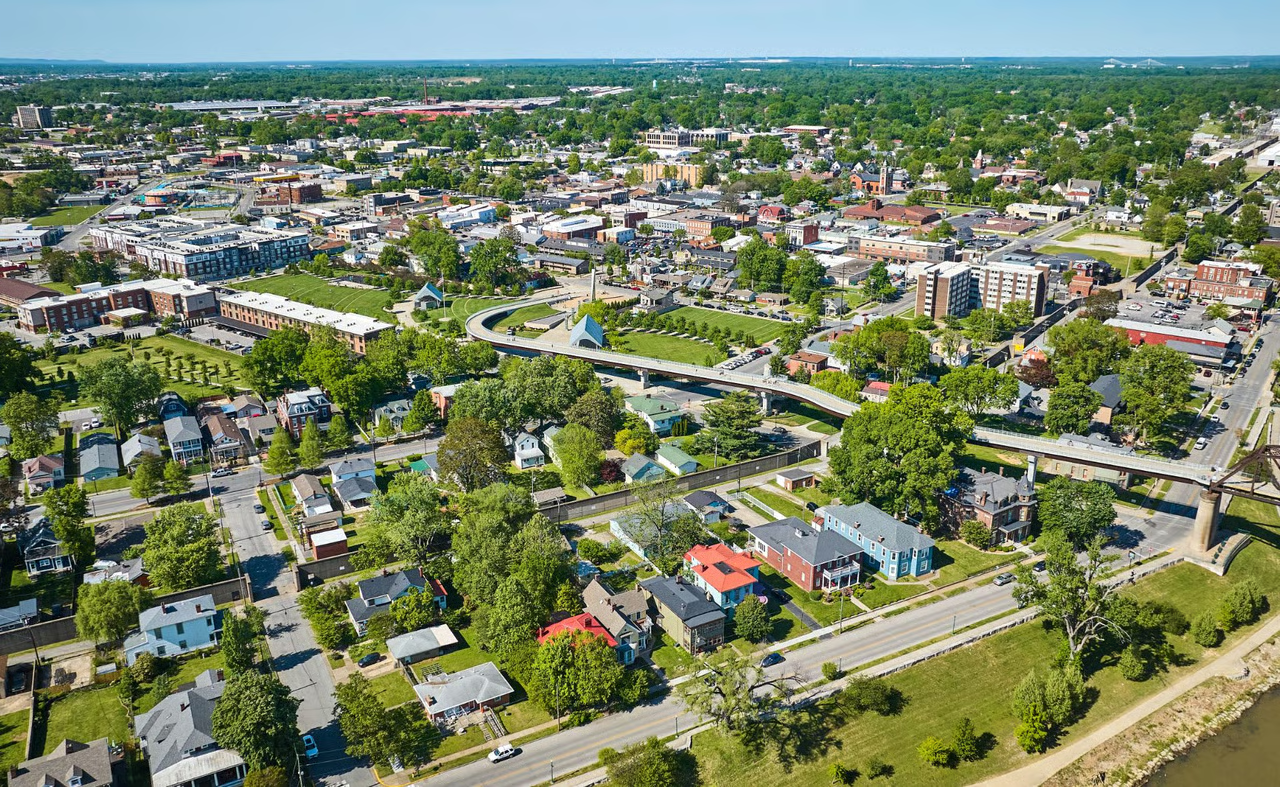
Hurstbourne grew up along its namesake parkway and the I-64 interchange as a corporate office and hospitality corridor, its office towers and hotels serving Oxmoor Center and the surrounding business district. Sellers eyeing this submarket are usually trading into professional office space, not the retail or industrial product that dominates other parts of the metro.
An Office-and-Hotel Corridor Built on Interstate Access
Hurstbourne Parkway and the I-64 interchange gave this area a head start as a business address, and mid-rise office towers, hotels, and professional buildings followed. Shelbyville Road adds retail and service tenants along its stretch through the area, while Bluegrass Parkway connects into more of the light-industrial and flex space that sits at the edge of the corridor.
Medical and professional office suites make up a meaningful share of the smaller-format buildings, drawing on tenant demand from the dense East End population nearby.
The Building Types That Define This Submarket
- Mid-rise professional office towers
- Hotels and hospitality-adjacent sites near I-64
- Medical and dental office suites
- Retail and service tenants along Shelbyville Road
- Light-industrial and flex space toward Bluegrass Parkway
What an Outdated Leasing Comparison Costs an Exchange Buyer
The expensive mistake is underwriting a Hurstbourne office building on lease terms and rent levels that were current a few years ago rather than what the corridor is actually commanding now. Office demand patterns have shifted meaningfully since the pandemic, and a rent roll that looks strong on paper can be carrying legacy leases that will not renew at the same rate.
A current leasing comparison, not a dated one, should be part of the file before the property goes on the identification list, since a mistaken assumption here shows up directly in year-two cash flow.
How Hurstbourne Compares to the Other East End Options
Jeffersontown offers heavier industrial and flex product for buyers who want to diversify away from office exposure, Lyndon and St. Matthews carry smaller-format retail and mixed-use buildings at a lower price point, and Middletown leans into medical office with a similarly affluent tenant base. Sellers should decide based on how much office concentration they are comfortable holding, not simply proximity to Hurstbourne itself.
What to Bring the Qualified Intermediary Before Identifying an Office Building
Because office assets carry more lease-rollover risk than retail or industrial right now, the qualified intermediary should see current occupancy and lease-expiration schedules before the identification is written, not a summary from the listing broker alone. Sellers should also confirm with their tax advisor how any tenant-improvement allowances or lease concessions factor into boot before the exchange documents are finalized.
The Tenant Improvement Bill Nobody Budgets For
Landing a new office tenant in this corridor often means funding a tenant improvement package to match what competing buildings are offering, and a buyer who underwrites Hurstbourne office space on gross rent alone can miss that cost entirely. When a lease turns over, the effective return on the building can drop sharply once the new-tenant buildout, leasing commission, and free-rent period are subtracted from the headline rent number.
That gap is the difference between an owner who planned for turnover and one who is surprised by it. A seller identifying a Hurstbourne office building should ask what the last two or three lease turnovers actually cost the current owner, beyond what the space simply rents for today.
Deciding How Much Office Exposure Is Too Much
An investor exchanging out of a fully depreciated office building and into another Hurstbourne office asset is not actually diversifying anything; they are re-upping on the same risk with a new basis. Sellers who want to reduce concentration in a single asset class should weigh a partial move into Jeffersontown industrial or St. Matthews retail against staying entirely in office, and should have that conversation with a broker and tax advisor before the search narrows to one building type.
Common 1031 Exchange Questions
Is office space still a reasonable 1031 replacement in this market?
It can be, but lease-rollover risk is higher than it was a few years ago. Buyers should review current occupancy and upcoming lease expirations closely rather than relying on trailing income alone.
What makes Hurstbourne different from other East End submarkets?
Its concentration of mid-rise office towers and hotels clustered near the Hurstbourne Parkway and I-64 interchange. That business-district character is less common in nearby Lyndon or St. Matthews, which lean more toward retail.
How do you know if a Hurstbourne office building's rent roll is current?
Ask for actual lease-expiration schedules and recent comparable leasing activity instead of relying on trailing rent numbers alone. A rent roll built on legacy leases can overstate what the building will earn once those leases turn over.
Should you diversify into industrial instead of another office building?
Some exchange buyers coming out of office are doing exactly that, moving into Jeffersontown flex and industrial space to reduce lease-rollover exposure. It depends on how much active management the investor wants going forward.
What should your qualified intermediary confirm before you identify a hotel-adjacent property?
Whether the asset is being purchased as real property or includes personal property and business value that could affect like-kind treatment. That distinction should be reviewed with your tax advisor before the identification deadline.
Is medical office in Hurstbourne a safer bet than general professional office?
It tends to carry steadier tenant demand given proximity to hospitals and specialty practices, though buildout costs for medical suites are also higher, which affects how a lease turnover actually pencils out.