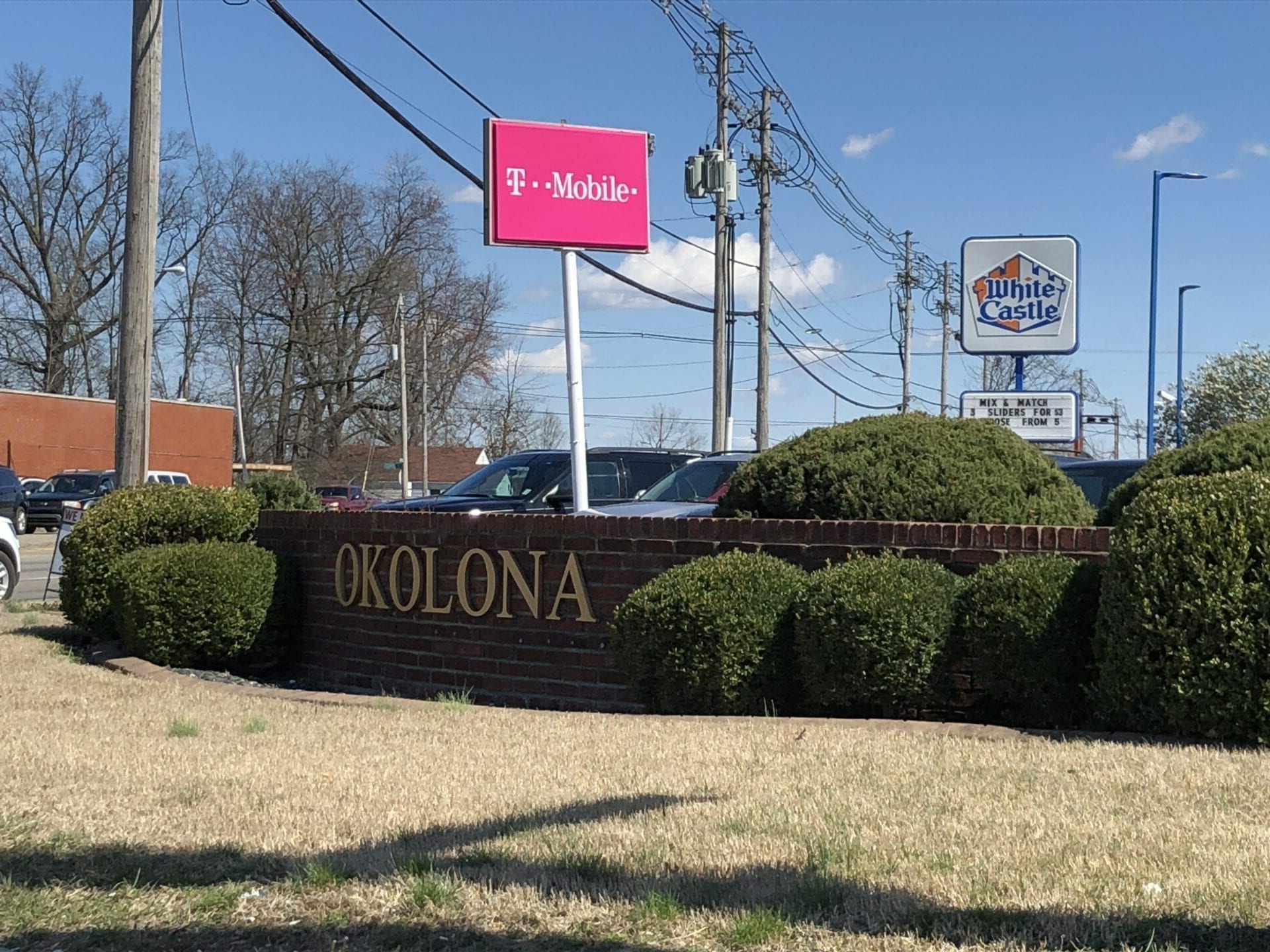
Prospect sits at the edge of Louisville and Oldham County, and its appeal for a 1031 buyer is almost the opposite of a fast-growing corridor: scarcity, not volume, drives value here. Affluent households along the river support demand for medical office, boutique retail, and small professional space, but the supply of actual commercial buildings is limited enough that an investor cannot assume a comparable listing will appear on a convenient schedule.
The Narrow Set Of Property Types Available
Prospect's commercial inventory concentrates in a small number of categories rather than a broad spread.
- medical office
- service retail
- small office
- net lease
- boutique mixed-use
Because household demographics here are strong but the building stock is limited, pricing frequently reflects scarcity more than current income -- an investor should separate those two factors explicitly rather than assuming a high asking price signals strong cash flow. Boutique mixed-use buildings in this area often carry a mix of long-term local tenants and newer arrivals, and the two groups can have very different renewal expectations that a rent roll alone will not reveal.
US 42, River Road, and the Oldham County Edge
US 42, River Road, the GlenOaks area, and the Oldham County line define the commercial geography of Prospect. Access along US 42 needs a careful review property by property, since traffic patterns and turning access vary along the route in ways that affect which tenants a building can actually attract. Given how few properties trade here at any given time, keeping a real backup identification list is more important in Prospect than in almost any other submarket in this exchange.
River Road properties in particular can carry flood-plain or setback considerations that a buyer accustomed to inland Jefferson County parcels might not think to check, and those considerations can affect both financing terms and future expansion potential.
Where Constructive Receipt Risk Shows Up In A Scarce Market
Scarcity can tempt an investor to move fast on a Prospect property, sometimes fast enough to shortcut how exchange funds are handled. Constructive receipt rules require that a qualified intermediary hold the proceeds from the relinquished property sale -- an investor who takes even brief control of those funds to secure a fast-moving Prospect deal can disqualify the entire exchange. The pressure to move quickly in a thin market is exactly when this mistake tends to happen, which is why the QI relationship should be locked in well before a Prospect property comes available, not arranged in a rush once one does.
Comparable Markets For A Prospect Backup List
Anchorage, La Grange, Lyndon, and Jeffersonville, Indiana are the standard comparison set when a Prospect candidate is unavailable or a deal stalls. Anchorage and Lyndon share some of the same affluent-household demand profile, while La Grange extends further into Oldham County and Jeffersonville offers a cross-river alternative. Each of these requires its own review of pricing and closing timeline -- a scarce market elsewhere does not behave the same way as a scarce market here.
An investor should also expect that scarcity in Anchorage or Lyndon can be just as pronounced as in Prospect itself, so a backup search in those markets should start early rather than being treated as a quick fallback once a Prospect deal shows signs of trouble.
Documenting A Scarcity-Driven Decision
A Prospect closing file should explain why the specific building was chosen despite limited alternatives, what access and site facts supported the price paid, and how the qualified intermediary's fund handling was confirmed before the transaction moved forward. That record matters more here than in a deeper market, because a CPA or lender reviewing the file later needs to see that the price reflected real underwriting rather than the pressure of a thin identification list.
Investors should also record which of the Anchorage, La Grange, or Lyndon comparisons were reviewed and why they were passed over, since a thin market makes it more likely that a lender or tax advisor will ask, after the fact, whether a genuinely comparable alternative existed at a lower price.
Common 1031 Exchange Questions
Why does commercial property in Prospect often carry a higher price relative to current income?
Limited building stock combined with strong household demographics means pricing here often reflects scarcity rather than existing cash flow. An investor should evaluate those two factors separately before assuming the price is justified by income alone.
What is constructive receipt and why does it matter in a fast-moving Prospect deal?
Constructive receipt means the investor took control of exchange funds, even briefly, instead of leaving them with the qualified intermediary. Doing this disqualifies the exchange entirely, and the pressure to move fast in a scarce market like Prospect is exactly when this mistake happens.
How important is a backup identification list for a Prospect exchange?
More important than in most submarkets, because so few comparable properties are available at any given time. Investors here should identify backup candidates in Anchorage, La Grange, or Lyndon before assuming a Prospect deal will close on schedule.
Should you lock in your qualified intermediary before or after finding a Prospect property?
Before. Because scarce inventory can require moving quickly once a property becomes available, the QI relationship and fund-handling process should already be in place so constructive receipt issues do not arise under time pressure.
Is Jeffersonville, Indiana a reasonable alternative if no Prospect property is available?
It can be, offering a cross-river option with its own demand profile, but it should be underwritten independently rather than treated as a direct substitute for a Kentucky-side Prospect property.