A data center looks like industrial real estate from the outside, a low windowless building on a large parcel, but the value sits almost entirely in what's inside the walls rather than the shell itself. Power capacity, redundant cooling, and fiber connectivity are the actual asset, and a building with an empty data hall and no committed power allocation is worth a fraction of an identical shell already built out and leased to an operator.
Power Is the Real Constraint
A data center's capacity is measured in megawatts available to the site, not square footage, and utility power allocation has become the binding constraint on new development in most markets faster than land or construction cost. A parcel with a confirmed substation interconnection and utility commitment can be worth several times an equivalent parcel without one, since securing new power capacity from a utility can take years longer than building the structure itself. An investor evaluating a data center site should ask about power availability before anything else in the diligence process.
Hyperscale, Colocation, and Edge, Compared
A hyperscale facility is typically built to suit and leased entirely to one large technology tenant under a long-term lease, functioning much like a single-tenant net lease property with an unusually specialized building. Colocation facilities lease rack space and power to many smaller tenants simultaneously, closer in operating profile to a multi-tenant office building with far higher power and cooling demands per square foot. Edge facilities are smaller sites placed closer to population centers to reduce latency, generally leased to fewer tenants than colocation but requiring less total power than a hyperscale campus.
What the Lease Actually Covers
A data center lease needs to specify who bears the cost of power beyond a base allocation, who is responsible for cooling system maintenance and eventual equipment replacement, and what service-level commitments the landlord or operator owes the tenant around uptime. These terms function differently than a standard triple net lease's tax and insurance pass-throughs, since the cooling and power infrastructure represents a far larger share of ongoing operating cost and capital risk than roof or parking lot maintenance would in a conventional building.
Local Development Pressure
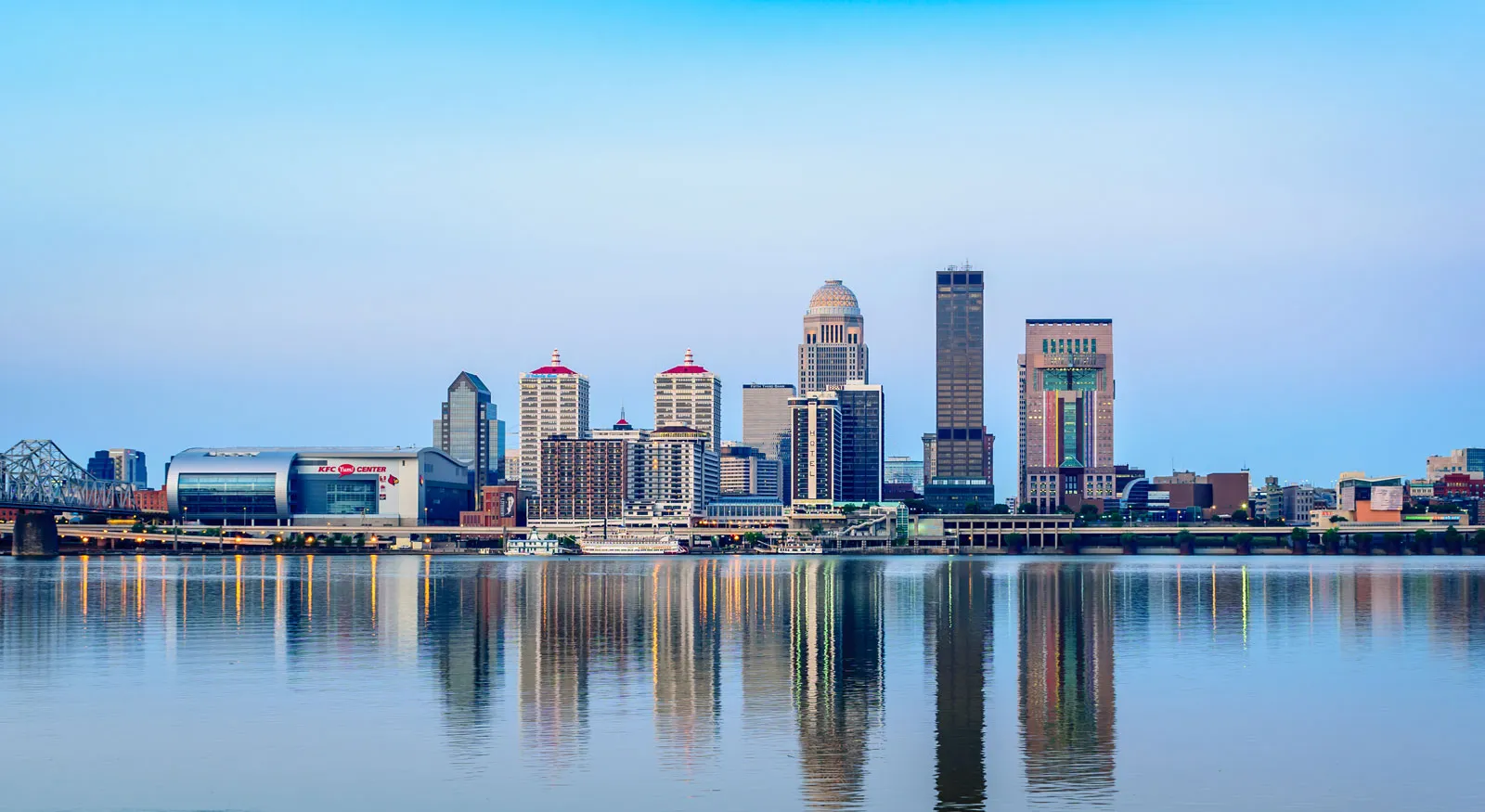
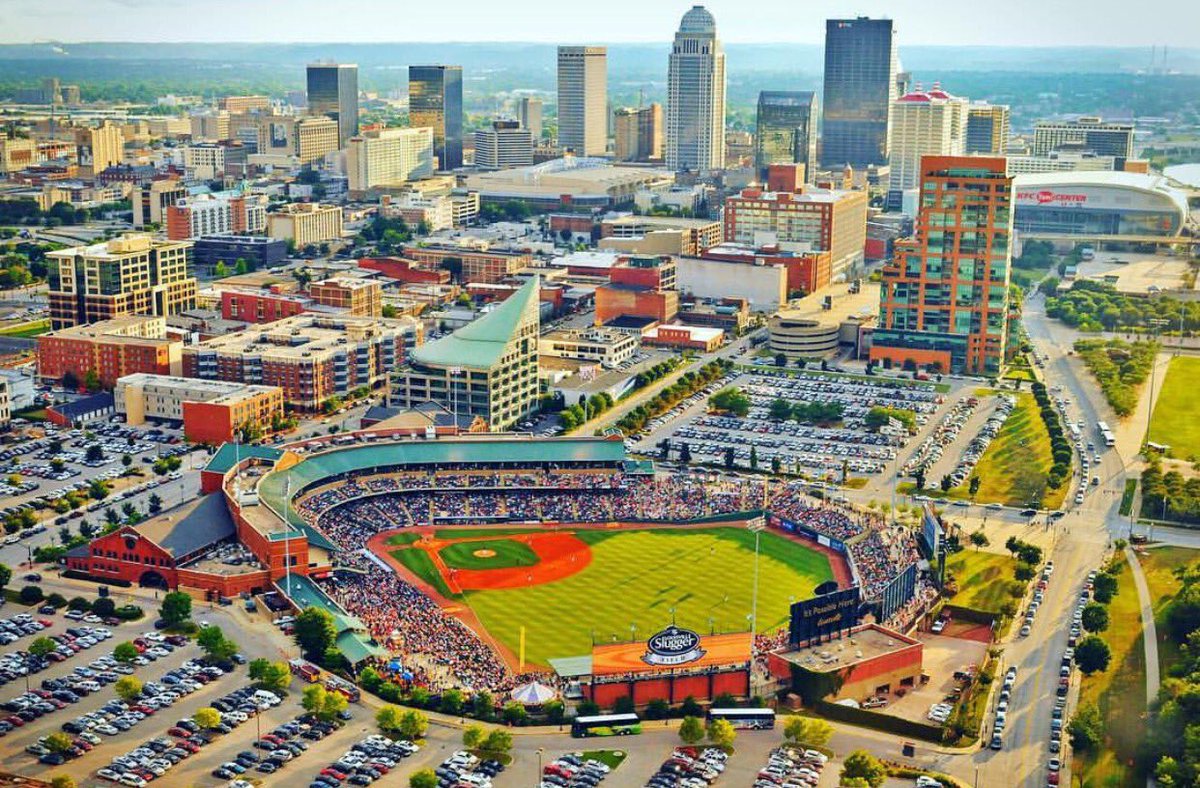
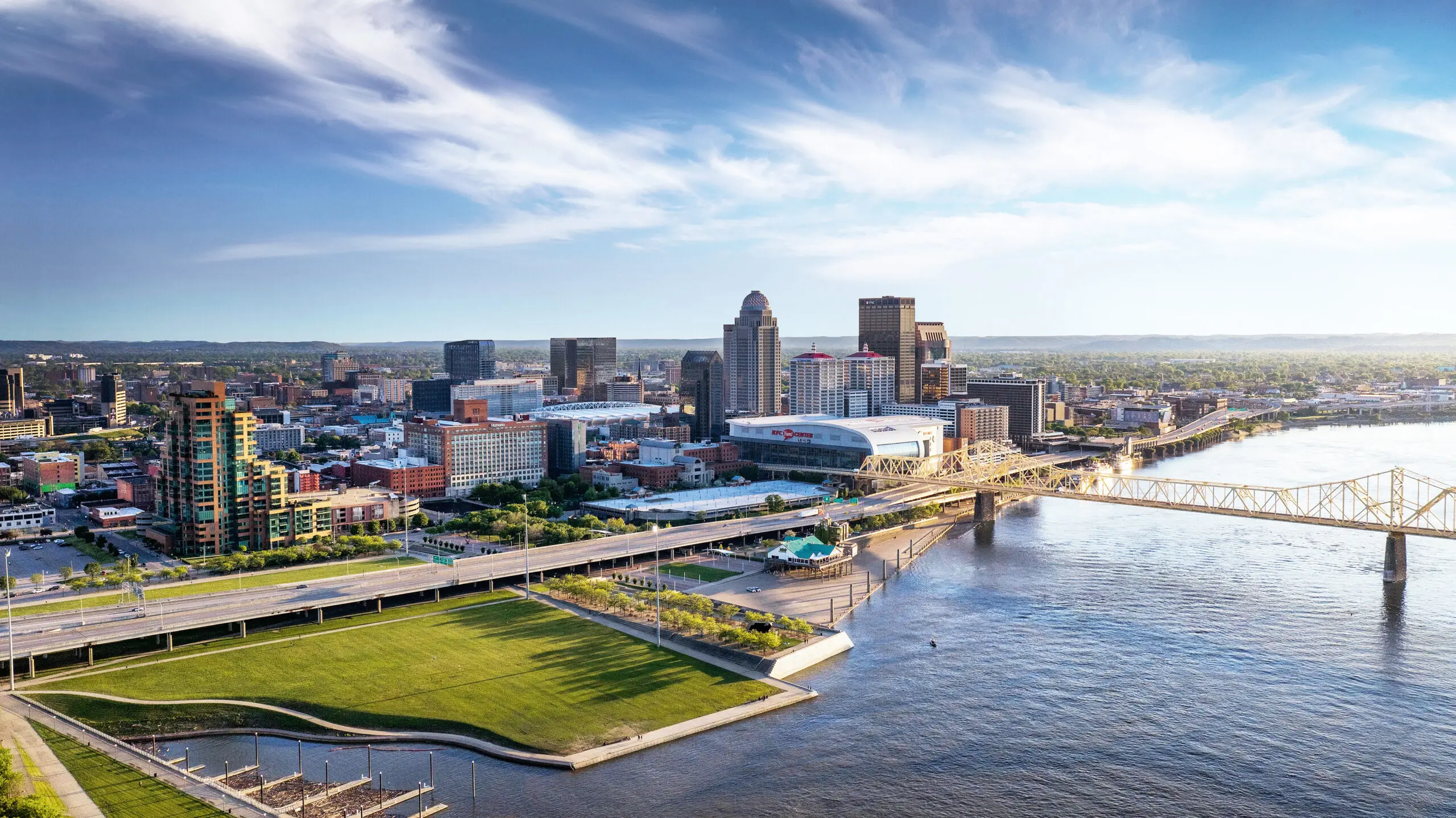
Data center development has been expanding into secondary markets with available power and land, including parts of Kentucky and southern Indiana within reach of regional fiber routes, though large-scale hyperscale development still concentrates near major interconnection hubs outside this metro. An investor considering a data center opportunity near Louisville should confirm the utility's actual available capacity for the specific site rather than a general statement about regional power supply, since capacity gets committed to individual projects well before it shows up in public utility filings.
Rail and highway infrastructure that made this region attractive for logistics and distribution also plays into data center siting, since fiber routes frequently follow the same corridors as major freight lines. A parcel along an established industrial corridor with existing high-capacity fiber nearby can shorten a project's connectivity timeline considerably compared to a site that would require new conduit run over a long distance, and that difference shows up directly in how quickly a facility can reach revenue-generating occupancy.
Data Centers as a 1031 Replacement
A data center building held for investment and leased to an operating tenant generally qualifies as like-kind real property for exchange purposes, and the long-term, credit-tenant leases common in hyperscale deals appeal to exchange buyers seeking stable income without hands-on management. The power, cooling, and lease-term diligence described above is more involved than a typical net lease review and should start well before the forty-five day identification window rather than during it.
Common 1031 Exchange Questions
What actually determines a data center's value?
Power capacity, redundant cooling infrastructure, and fiber connectivity, not the size of the building shell. A confirmed utility power allocation can make an otherwise ordinary industrial parcel worth several times a comparable site without one.
What is the difference between hyperscale, colocation, and edge data centers?
Hyperscale facilities are typically built to suit and leased entirely to one large tenant. Colocation facilities lease rack space and power to many tenants at once. Edge facilities are smaller and placed near population centers to reduce latency, generally serving fewer tenants than colocation with less total power demand than hyperscale.
Why does power capacity matter more than land availability for new data centers?
Securing new utility power allocation for a site can take significantly longer than construction itself, which has made confirmed power commitment the binding constraint on new development in most markets, ahead of land cost or zoning.
Can a data center property be used as a 1031 exchange replacement?
Yes, a data center building held for investment and leased to an operating tenant generally qualifies as like-kind real property for exchange purposes. The power, cooling, and lease-term review should begin well before the identification deadline given how involved that diligence is.
Is data center demand expanding into secondary markets like Louisville?
Some expansion is happening in markets with available power and fiber access, but large-scale hyperscale development still concentrates near major interconnection hubs. A specific site's actual confirmed utility capacity matters more than general statements about regional power supply.