Mobile home park investing, more formally manufactured housing communities, is often described as one of the highest-margin corners of residential real estate, and the underlying math explains why: a well-run park earns lot rent from residents who own their own homes and are responsible for that home's upkeep, leaving the park owner with land, roads, and utility infrastructure to maintain rather than a building's worth of interior finishes. The margin is real, but it depends heavily on details that don't show up in a simple lot-count summary.
Tenant-Owned Homes Versus Park-Owned Homes
The most consequential variable in any manufactured housing deal is what share of homes the residents own versus what share the park itself owns and rents out. Tenant-owned homes mean the resident bears maintenance and replacement cost and has a real financial stake in staying, since moving a manufactured home is expensive and often impractical, which produces unusually low turnover for residential real estate. Park-owned homes shift maintenance and vacancy risk back onto the owner and behave more like a traditional rental portfolio, with correspondingly different underwriting.
Infrastructure Age and Deferred Cost
Older parks, particularly those developed before more recent utility codes, sometimes carry aging water and sewer infrastructure that the park owner is responsible for maintaining, and a buyer who doesn't get utility lines inspected before closing can inherit a repair bill that dwarfs a year or more of lot rent income. A camera inspection of sewer lines and a review of water system permits and any prior compliance issues with local utility authorities belongs on the diligence list for any park built before the 1990s.
Local Supply Constraints
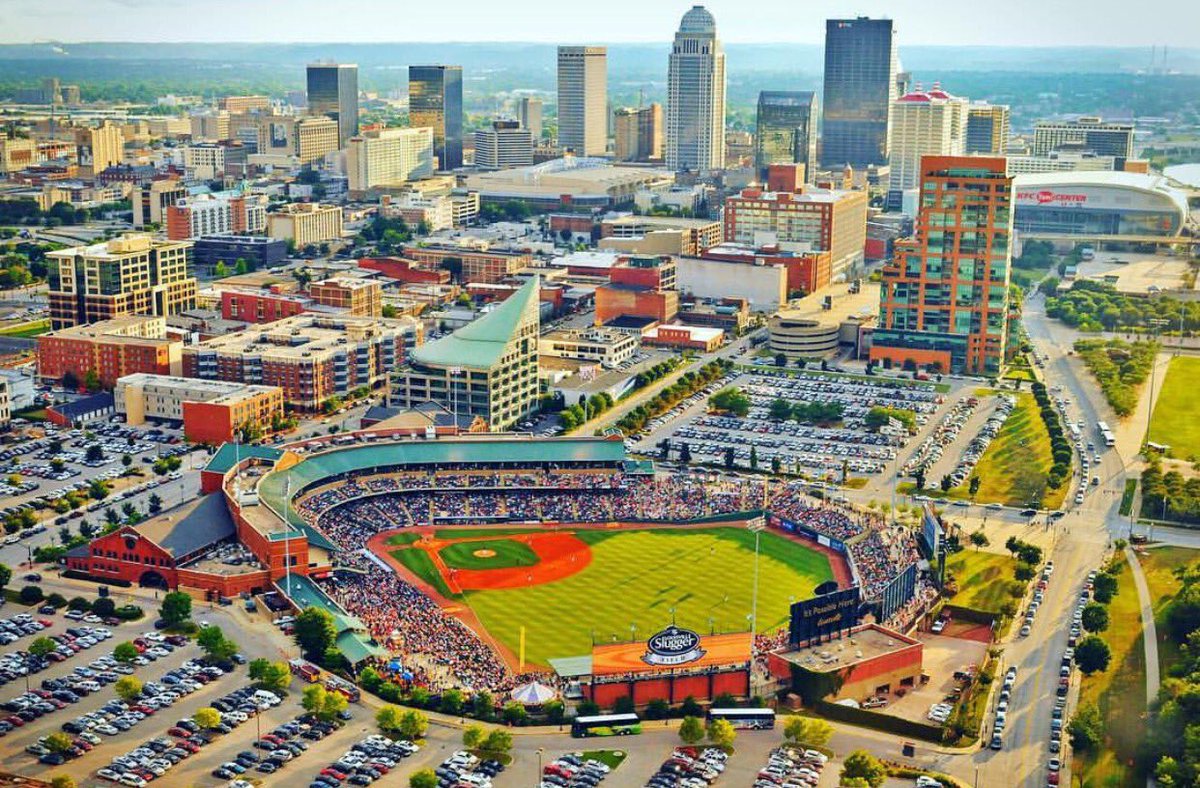
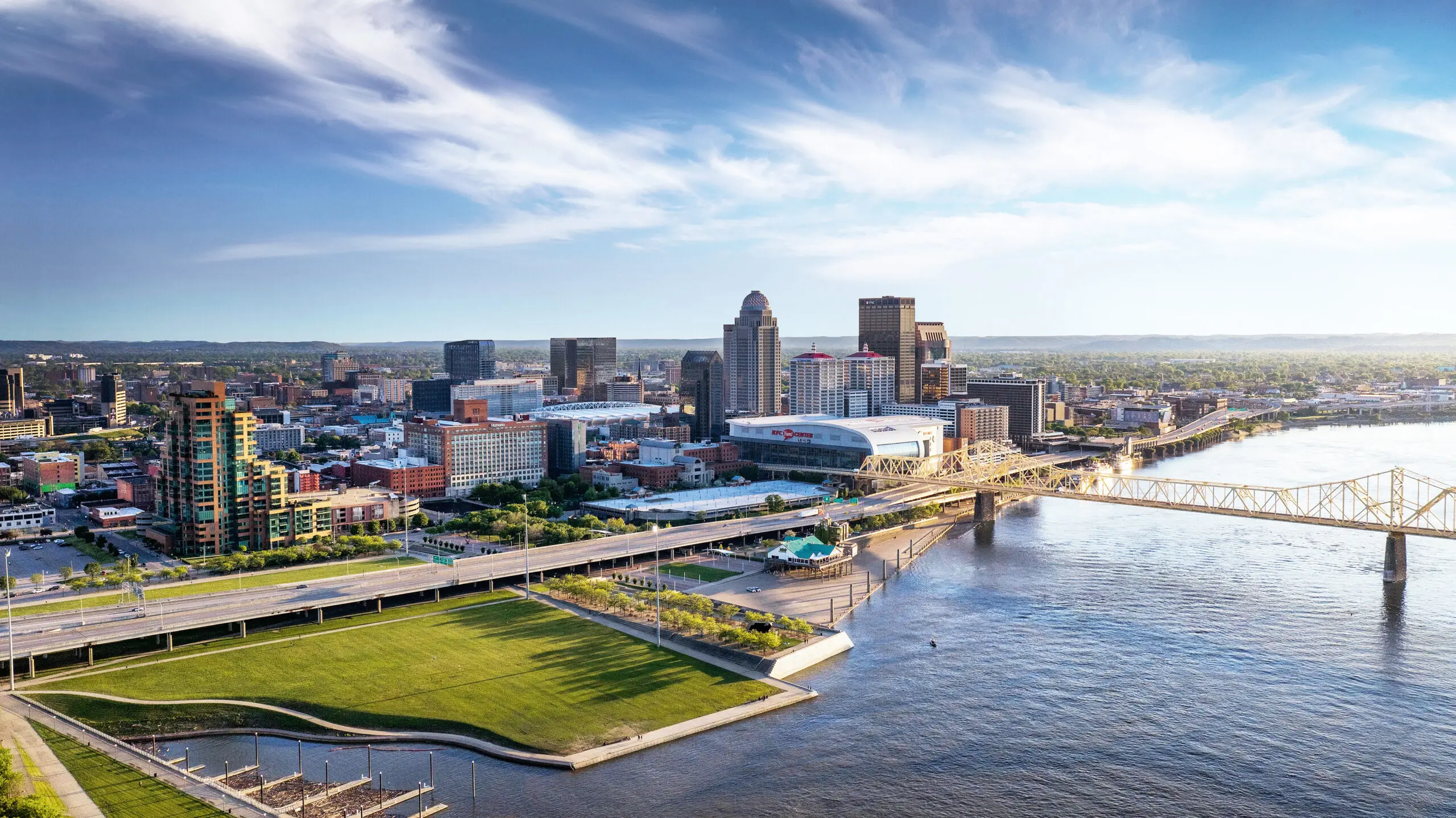
New manufactured housing community development has slowed nationally due to zoning restrictions in most municipalities, and the Louisville metro is no exception, with existing parks in outlying areas like Shepherdsville and Valley Station facing little new competitive supply. That scarcity supports value for existing well-located parks, but it also means an owner has fewer options if a specific park's location or infrastructure turns out to be a poor long-term fit, since building a replacement or expanding an existing park often runs into the same zoning barriers that limited new supply in the first place.
Management Reality Behind the Margin
Lot rent collection, rule enforcement, and the occasional home abandonment or eviction process are the ongoing management tasks behind a manufactured housing community's return, and they require a different skill set than managing an apartment building or a leased commercial property. Many owners hire a manager with specific manufactured housing experience rather than a general property manager, since state-specific manufactured housing landlord-tenant law differs from standard residential leasing law in ways that create real liability if handled incorrectly.
Manufactured Housing as an Exchange Replacement
Manufactured housing communities held for investment generally qualify as like-kind real estate for a 1031 exchange, and the scarcity of competitive new supply described above is part of what draws exchange buyers to the asset class specifically. The infrastructure and tenant-ownership review outlined here still has to happen before an offer is firm, since an exchange's tax deferral has no bearing on whether the sewer lines under a specific park are sound.
Common 1031 Exchange Questions
What is the difference between tenant-owned and park-owned homes in a mobile home park?
In tenant-owned communities, residents own their homes and are responsible for maintenance, which produces low turnover since moving a manufactured home is costly. In park-owned communities, the owner holds title to the homes and bears maintenance and vacancy risk more like a standard rental.
Why is infrastructure age important when evaluating a mobile home park?
Older parks can carry aging water and sewer lines that the park owner is responsible for repairing. A camera inspection and utility permit review before closing helps a buyer avoid inheriting a major infrastructure repair that a lot-count summary alone won't reveal.
Why has new manufactured housing community development slowed?
Zoning restrictions in most municipalities limit where new parks can be developed, which has constrained new supply nationally. That scarcity tends to support value in existing well-located parks but also limits an owner's options if a specific location proves to be a poor fit.
Does a mobile home park qualify as a 1031 exchange replacement property?
Yes, manufactured housing communities held for investment generally qualify as like-kind real estate for exchange purposes. The infrastructure and ownership-structure review described here should still be completed independently of the exchange timeline.
Why do manufactured housing communities often need specialized management?
State-specific manufactured housing landlord-tenant law differs from standard residential leasing law, and lot rent collection, rule enforcement, and home abandonment situations require experience most general property managers don't have.