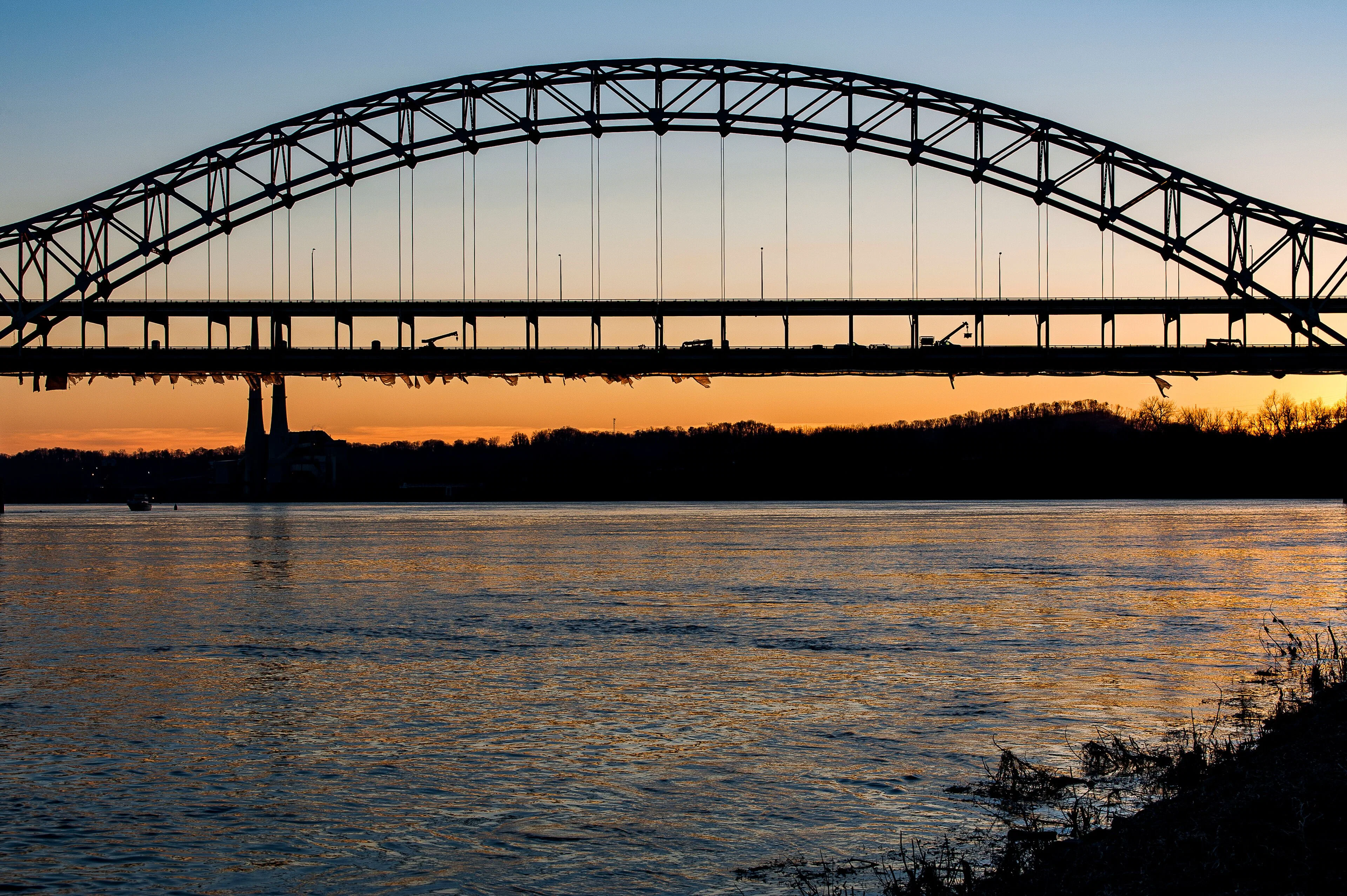
Jeffersonville is really two markets wearing one name: a redeveloping downtown along the Ohio River near the Big Four Bridge, and a much larger industrial base out toward River Ridge and the I-65 corridor. An owner who treats them as interchangeable is comparing two different risk profiles under one label.
Riverfront Redevelopment and Industrial Growth Under One City Name
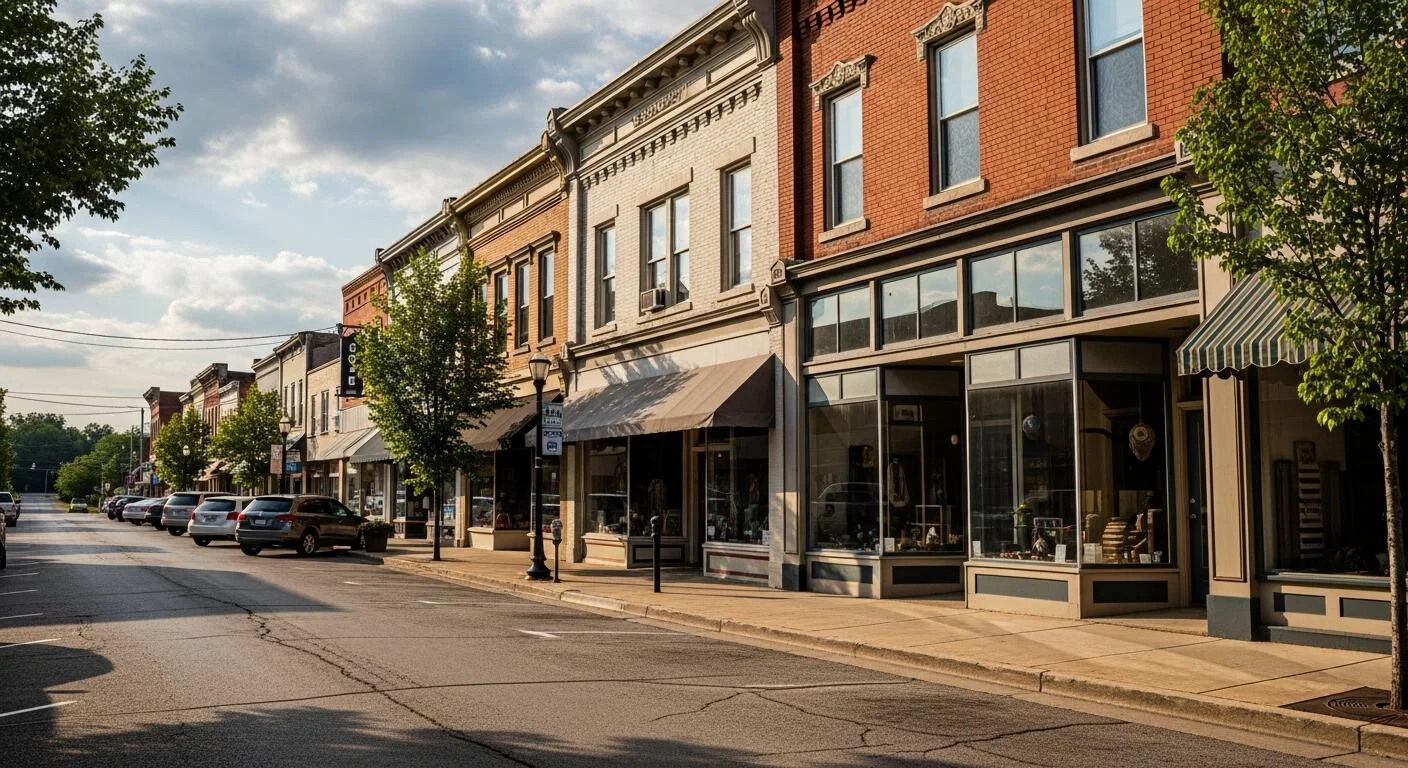
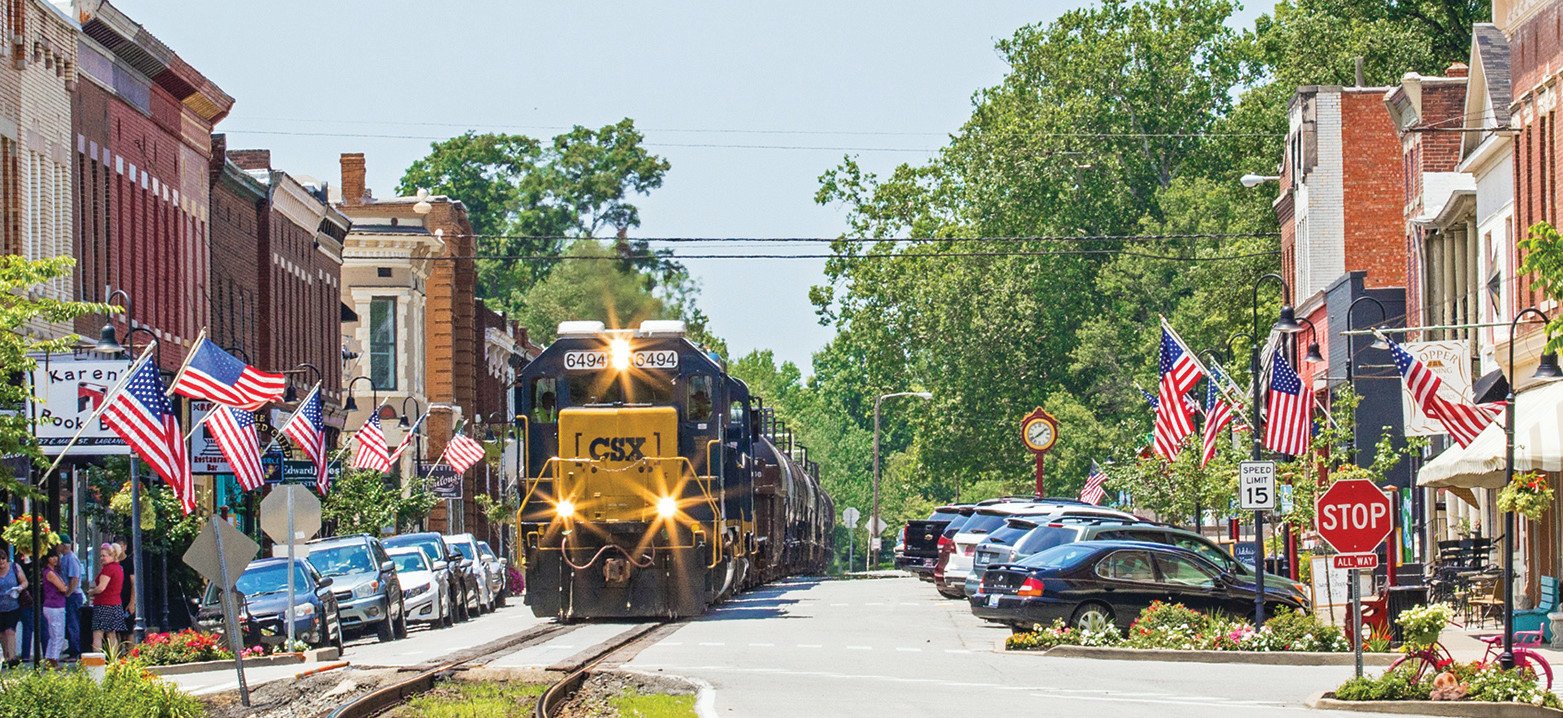
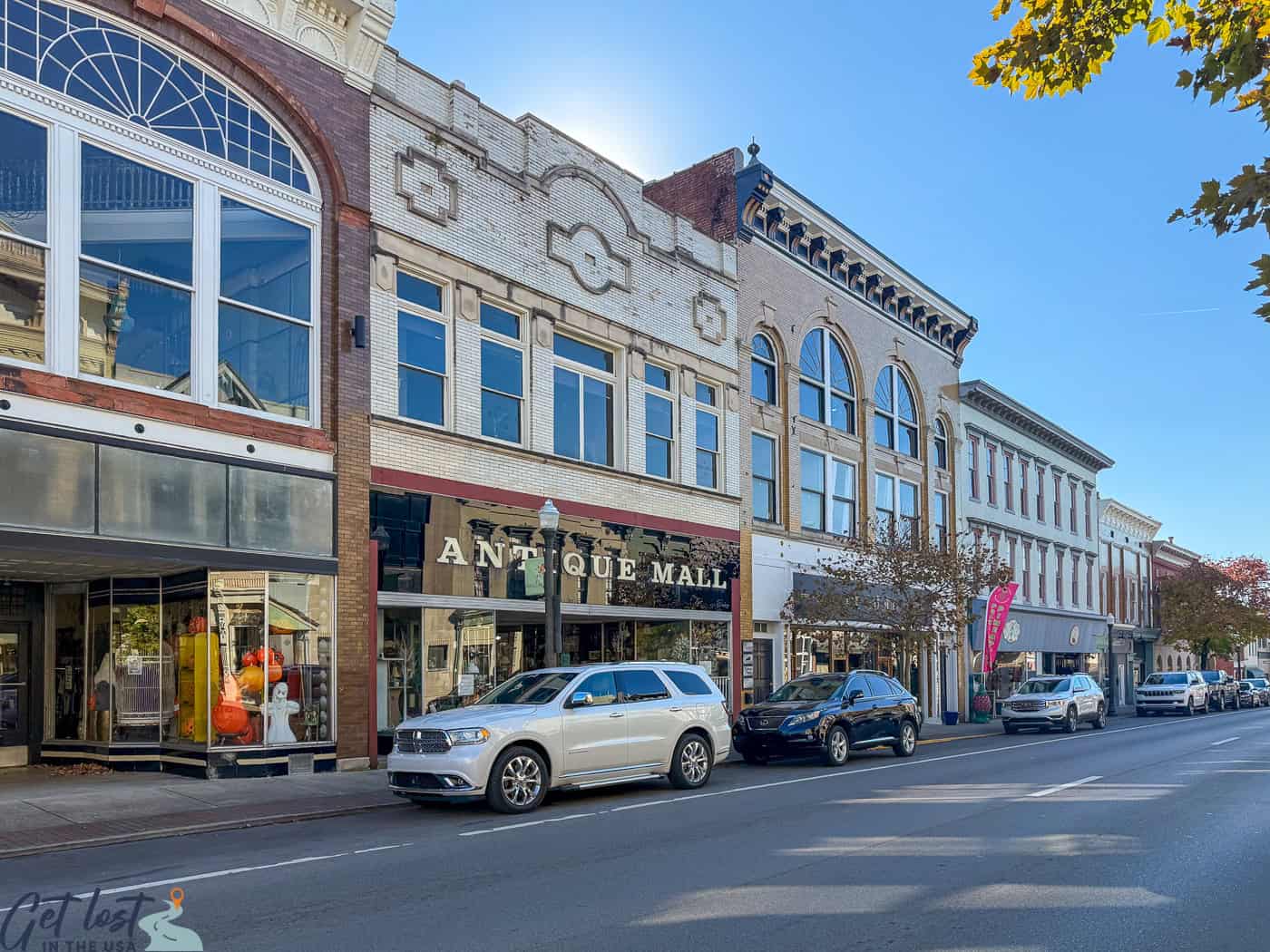
Downtown Jeffersonville has drawn steady reinvestment around its riverfront parks and historic Depot District, with small mixed-use and retail buildings benefiting from foot traffic that did not exist a decade ago. That is a different animal from the industrial and distribution growth happening out along Veterans Parkway and toward River Ridge, where large-format warehouse space has expanded on the strength of I-65 access and available land.
A seller identifying a Jeffersonville replacement needs to know which of these two markets they are actually buying into, because the tenant risk, lease structure, and management demands are not the same.
The Two Sides of This Market, Side by Side
- Small mixed-use and retail buildings in the downtown riverfront district
- Historic Depot District storefronts and adaptive-reuse space
- Large-format industrial and distribution buildings toward River Ridge
- Multifamily near the riverfront benefiting from downtown reinvestment
- Service retail along Veterans Parkway
What Confusing the Two Markets Costs a Buyer
The expensive mistake is underwriting a downtown riverfront property on the growth trajectory of River Ridge industrial, or the reverse, assuming a distribution building will appreciate at the same pace as a redeveloping downtown block. Each market moves on its own timeline, and a rent projection borrowed from the wrong side of the city can make a deal look better than it is.
Every Jeffersonville candidate should be underwritten against comparables from its own side of town, not a blended citywide average.
How Jeffersonville Stacks Up Against Its Neighbors
Clarksville, just to the east, offers more straightforward interstate retail without the riverfront redevelopment story, New Albany carries a similar small-town retail character with less industrial exposure, and Louisville proper across the river offers deeper liquidity but at a higher basis. Buyers should decide whether they want redevelopment upside, industrial scale, or Louisville-level depth before narrowing the search to Jeffersonville specifically.
Getting the Qualified Intermediary the Right Market Context
Because Jeffersonville spans two distinct submarkets, the qualified intermediary should know specifically which side of the city the identified property sits in rather than the city name alone. Sellers should confirm with their tax advisor and closing team how Indiana's cross-state recording and title requirements apply, since that process runs on its own timeline separate from a Kentucky-side purchase.
What a Confused Identification Actually Looks Like
A seller who writes an identification simply as "a commercial property in Jeffersonville, Indiana" without specifying the submarket has left the door open to confusion if the deal changes at the last minute. If the downtown candidate falls through and the backup is a River Ridge warehouse, the identification language needs to have anticipated that kind of shift, or the qualified intermediary is left trying to make a documentation problem match a business decision that happened too fast to be written down properly.
Clear, specific identification language, reviewed with the qualified intermediary before it is filed, costs nothing extra and removes an entire category of risk.
Why the Redevelopment Story Alone Should Not Drive the Decision
Downtown Jeffersonville's revival is real, but a buyer chasing that story into an overpriced storefront without a durable tenant is betting on continued momentum rather than buying an asset that cash flows today. The stronger approach treats the redevelopment narrative as context, not as the underwriting itself, and still asks the same questions about lease term, tenant credit, and building condition that any other purchase would require.
Common 1031 Exchange Questions
Is downtown Jeffersonville or the River Ridge industrial area a better 1031 replacement?
It depends on the investor's goals. Downtown offers redevelopment upside with more active management, while River Ridge offers larger, more stabilized industrial leases with different tenant risk.
Does buying in Indiana instead of Kentucky change how the exchange works?
The federal exchange rules are the same regardless of state, but Indiana closing, title, and recording procedures differ from Kentucky's, so build extra time into the closing schedule.
What is the risk of comparing a River Ridge warehouse to a downtown mixed-use building?
They do not move on the same growth curve. A projection built on one market's trajectory and applied to the other can significantly overstate expected performance.
How does Jeffersonville compare to Clarksville for industrial replacement property?
Jeffersonville's River Ridge area generally offers larger-format distribution space, while Clarksville leans toward smaller flex and retail-adjacent industrial. The right fit depends on the tenant size the investor wants to underwrite.
What should you confirm with your qualified intermediary before buying downtown?
Confirm that the identification language specifies the downtown riverfront submarket clearly, and review with your tax advisor how any redevelopment incentives or historic designations might affect the property's like-kind treatment.
How much industrial inventory is actually available near River Ridge right now?
Availability shifts as large distribution users move in and out, so a current broker check matters more than a general impression of the area's growth. Confirm active listings before building the identification around a specific candidate.
Is the Big Four Bridge pedestrian connection actually relevant to a commercial purchase?
It matters mainly for downtown retail and mixed-use foot traffic, less so for anything out toward River Ridge. Weigh its effect only against properties that actually benefit from that riverfront pedestrian activity.